How to Pick a Gym in Europe Without Regretting It
Working out which gym to join in a new European city, without signing a year away on the first tour.
Working out which gym to join in a new European city, without signing a year away on the first tour.
You've been in the new city eight days. The flat still smells of someone else's cooking, and you're outside a gym at half seven because the map said it was the nearest one. Behind the glass, forty people are queueing for six squat racks. Someone at the desk wants to talk about a twelve-month commitment and a joining fee. You've no idea whether that's normal here, or whether you've wandered into the worst room in town.
That moment is what this site is about.
Nobody warns you about this bit. The gym you hated probably wasn't badly run — it was a perfectly decent gym of a type that didn't suit you. Budget chains, boutique studios, old-school iron basements, municipal sports centres, big clubs with a pool and a sauna: these aren't points on one scale from bad to good. They're different products, sold to different people.
Sign up to a budget chain expecting coaching and you'll feel abandoned. Join a boutique studio expecting to do your own programme and you'll spend a year being herded. Plenty of people pay for a pool they walk past daily on the way to the free weights. Nobody lied to anyone. It's a category mismatch, and it's the quietest way to waste a year of fees.
So the useful question isn't "which gym is best" but "which kind of gym am I — this year, in this city, with this schedule".
Cross a border and the defaults move. Budget chains are everywhere in some countries and barely register in others. Municipal and club-run facilities are a serious option in some places and an afterthought elsewhere. Contract length, notice periods and how hard it is to get out vary a lot — country to country, and contract to contract. If one really matters to you, have someone qualified locally read it.
Once you know what to look for, that's just local colour. Until then it's expensive guesswork.
No rankings here, no sponsored favourites — just what to check before you hand over a card number.
Piperspin casino invites you to set your own tempo — whether you play in a gentle beat or at full rhythmic power. With a varied selection of slots, table games and a pulsing live casino, every session turns into a musical adventure. Claim generous bonuses and find your own personal playing groove. At Piperspin, sound and luck merge into an unforgettable experience — like a perfect beat that never stops.
Ignore the branding. Almost every gym in Europe sits in one of five buckets, and once you can spot the bucket from the door you know most of what you need.
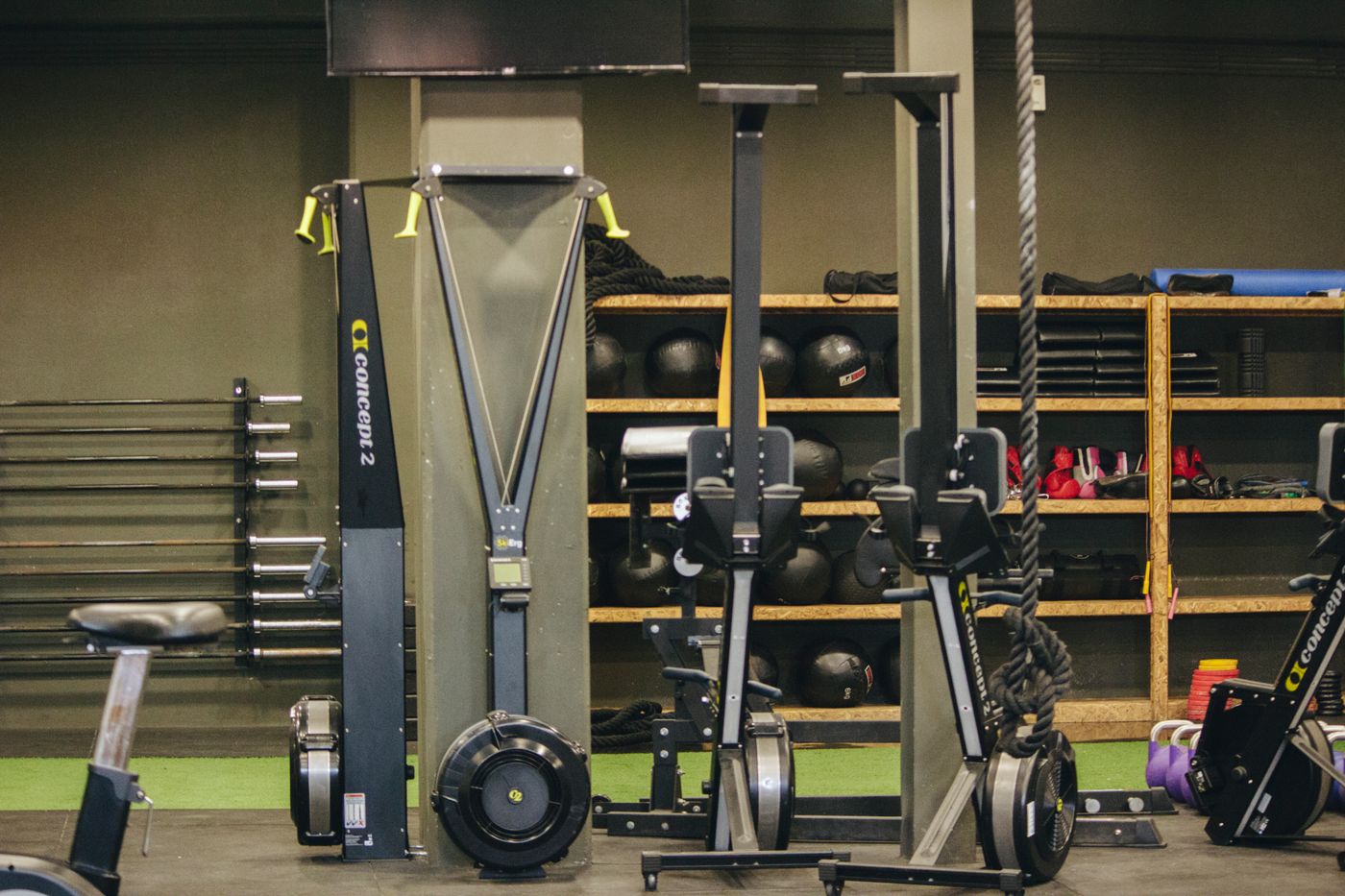
Self-service, app or card entry, often open very late or round the clock, and a skeleton crew who mostly restock wipes. They're dense in cities, so there's usually one near your flat and another near work.
Know your way round a rack and want a shower afterwards? Fine. Turn up new, hoping someone will walk you through the machines, and you'll be waiting a while.
Peak hours are where it falls apart. Early evening you'll queue for the bench and train a version of musical chairs, so go at the exact time you'd normally train before you sign anything.
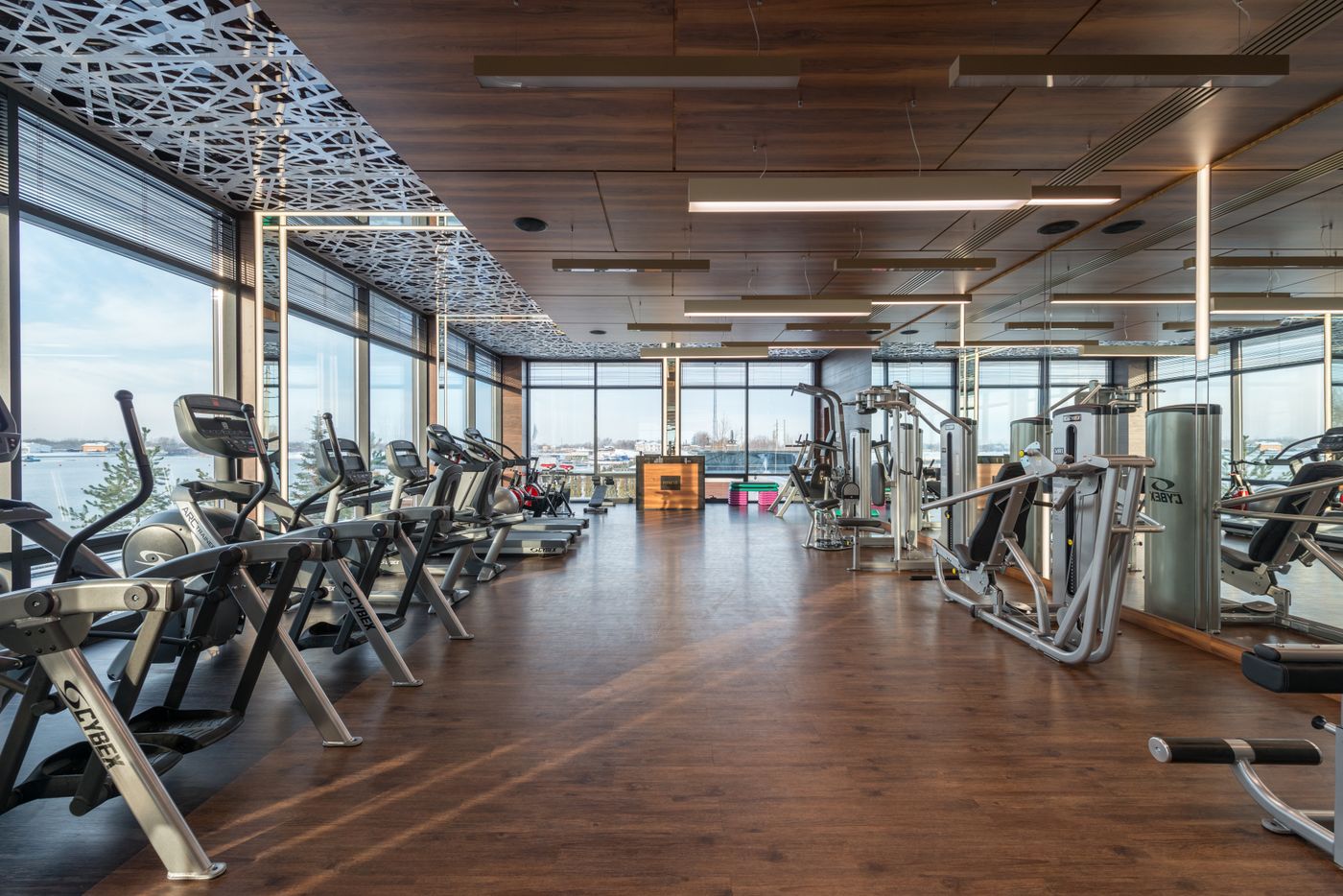
Pool, sauna, a class timetable, decent changing rooms, staff on the floor, sometimes a café where nobody eats. The kit is newer and there's more of it, which mostly solves the queueing problem.
Worth it if you'll genuinely use the extras, or need somewhere pleasant enough to keep you turning up in February. Plenty of members are paying for a pool they've used twice — be honest about whether the sauna is a habit or a fantasy. Joining fees and longer minimum terms are more common at this end too.
One format done properly: barbell strength, functional training, pilates, boxing, indoor cycling. Small rooms, coached sessions, a register with your name on it, and people who'll notice if you vanish.
Structure and accountability are the product — exactly what you want if you're back after years off and would rather be told what to do.
What it costs you is the price per session and a closed ecosystem. Credits tend to expire, timetables are tight, and one busy fortnight at work quietly eats what you paid for. Travel a lot and this model punishes you hardest.
Run by a city, a sports federation or a campus. Plain rooms, no branding, and often surprisingly good basics — solid racks, free weights that have survived decades of abuse, a proper hall attached.
Students, anyone watching their money and people who don't care what the walls look like do very well here.
Hours are the problem. Opening times follow institutional life, term breaks and summer closures are real, and some want proof you study or live locally. Ask before you build your week around it.
Three cardio machines facing a wall, a rack of dumbbells that stops well before it gets interesting, and a mat.
As a main gym, hopeless. As a stopgap, brilliant — on a work trip it's twenty honest minutes you'd otherwise skip. The trap is letting it become your real gym because it's fifteen steps from your desk. Convenience wins right up to the point where you stop progressing and can't work out why.
Pick the bucket that matches the days you'll actually show up, not the version of yourself you're planning to become in March.
Sales staff will walk you past the cardio row first, because forty treadmills look impressive in a photo. Ignore them. What actually decides whether you're still turning up in March is a handful of unglamorous things you can check in about twenty minutes.
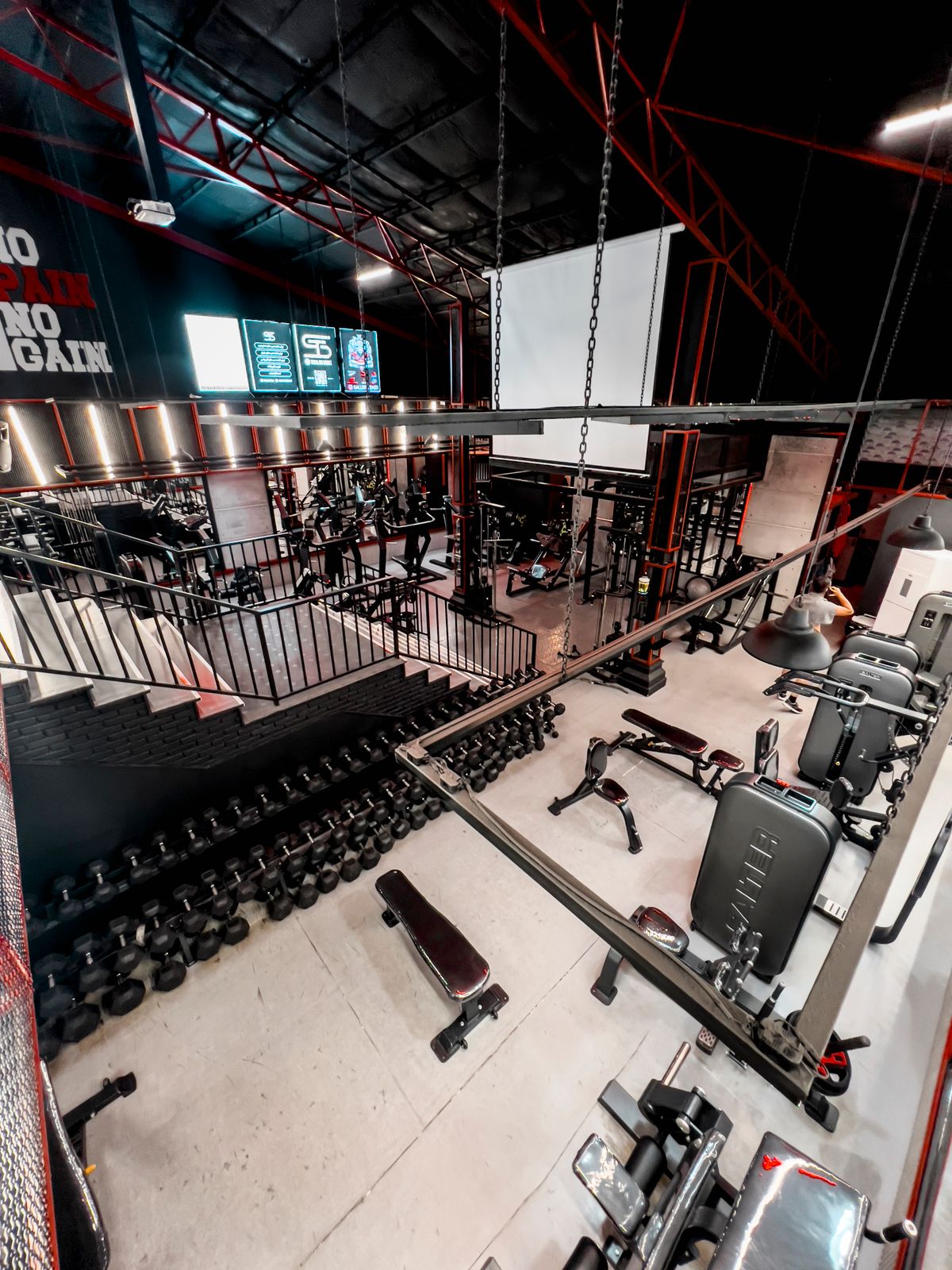
Squat racks and adjustable benches are the bottleneck in nearly every gym. Two racks on a floor built for two hundred people means queueing, and queueing is how people quietly stop coming. Count them. Then count the flat and incline benches. If the answer is "one of each", you already know what your Tuesday evening looks like.
Plenty of places stop the rack somewhere around 30 kg — no rule about it, just what a lot of general gyms seem to settle on. Fine for a while, awkward later. Look at where the rack ends, and whether the heaviest pairs are actually on it or permanently living somewhere on the floor.
Frayed cables, upholstery patched with tape, plates that don't match, a leg press with a handwritten "out of order" sign that's clearly been there a while — that sign says more about the management than the brochure does. Spin a few pulleys. Sit on a machine and run it through the full range.
A tour at noon on a Sunday is theatre. Come back at half six on a Tuesday, or whenever your real training slot would be, and stand near the free weights for ten minutes. Can you get to a rack? Is one person occupying three stations? Are people waiting politely, or hovering?
Then check the bits nobody shows you:
Most gyms will let you in on a day pass or a trial session, though it's not something you're owed — ask before you assume. Take it, and don't let it turn into a guided walk with someone holding a clipboard. Do a normal workout: your actual routine, at your actual weights, in your usual order. That's the only way you'll find out that the bar is bent, the flooring bounces under a deadlift, or the one cable machine you need sits in a corner with no room behind it.
Bring your own shoes and belt, and use nothing else of your own — you're testing their kit, not yours. If you walk out thinking "I'd come back tomorrow", sign. If you're already planning workarounds in your head, you've got your answer, and there's another gym down the road.
Signing up takes four minutes and a card tap. Getting out takes a letter, a deadline nobody mentioned at the desk and a bit of quiet fury. That asymmetry is the business model, not an accident. Gyms are priced around the people who join in January, stop coming in March and keep paying until autumn.
The advertised monthly figure is rarely the whole bill. Watch for a joining fee when you sign up, and for a "service", "maintenance" or card charge that lands once a year, usually in a month you'd forgotten about. Plenty of contracts allow annual price adjustments, and some tie your discount to the full term, so leaving early claws it back.
Two things do most of the damage. Automatic renewal is the obvious one: the term ends and restarts on its own unless you act. The sneakier one is the notice period, counted back from that renewal date — miss it by a day and you've bought another stretch.
Then there's the format. Some gyms accept a tap in the app, others want an email to a specific address, a paper form signed at reception, or a letter in the post. Whatever it is, do it in writing, keep the confirmation, and put the notice deadline in your calendar the day you join — not the month you want to leave.
Moving is the other classic. Contracts differ wildly on whether a move releases you, and some only let you out if the same chain has no branch near your new address. If a move abroad is even slightly likely, ask before you sign, not after you've packed.
Three questions at the desk, answers in writing: how long is the notice period and when does it start, what do I pay over a full year including one-off charges, and what happens if I move or need to pause. Staff who answer plainly tell you something good about the place. If the only copy of the terms is a QR code on the wall, that's information too.
None of this is legal advice — it's what turns up when you've signed too many of these. Rules vary by country, and consumer protection in some places is genuinely on your side, so read the terms you're given or ask a local consumer advice body before assuming you're stuck.
Moving country resets your gym knowledge to zero. What you signed in Berlin has almost nothing in common with what you'll be offered in Lisbon, and the reflexes you built in one place will cost you money in the next.
Germany, the Netherlands and much of Central Europe run on high-volume, low-price chains. Big floors, plenty of plate-loaded kit, staff who are there to clean and let you in rather than sell you anything. The trade-off is crowding at six in the evening and a contract culture that tends to take minimum terms seriously — often "I'd like to cancel" turns out to be a form or a letter rather than a click. Terms vary, so read the notice period before you read the price.
Something here that most of the continent doesn't have: council-run leisure centres. A pool, a sports hall, a gym that's perfectly fine and nobody pretends otherwise, usually priced with residents in mind rather than enthusiasts. Kit tends to be older; the swimming is the reason to go. Private chains sit on top of that, from very cheap to eye-watering, and rolling monthly deals are usually easier to find than further east.
Spain, Italy, Portugal, Greece — far more single-site gyms run by someone who actually trains there. You get a coach who corrects your deadlift unprompted and a squat rack that's been repainted twice. You also get August closures, cash-preferring front desks and opening hours that assume you nap. Worth a phone call in August rather than a wasted trip.
Scandinavia leans hard on 24/7 access by card or app, often with nobody on site after early evening. Wonderful if you train at half five in the morning, slightly eerie when the lights are on a motion sensor. Standards are generally high, and so is the cost of everything else in the country.
A gym in central Paris, Zurich or Dublin is smaller and busier than the same brand twenty minutes out, and it usually costs more. Space is expensive, and it comes out of your bench area.
None of this beats five minutes inside before you pay. Every country has a gym that photographs beautifully and smells like a decision you'll regret.