Gym Etiquette Across Europe
The unwritten rules nobody tells you — and why they change at the border.
The unwritten rules nobody tells you — and why they change at the border.
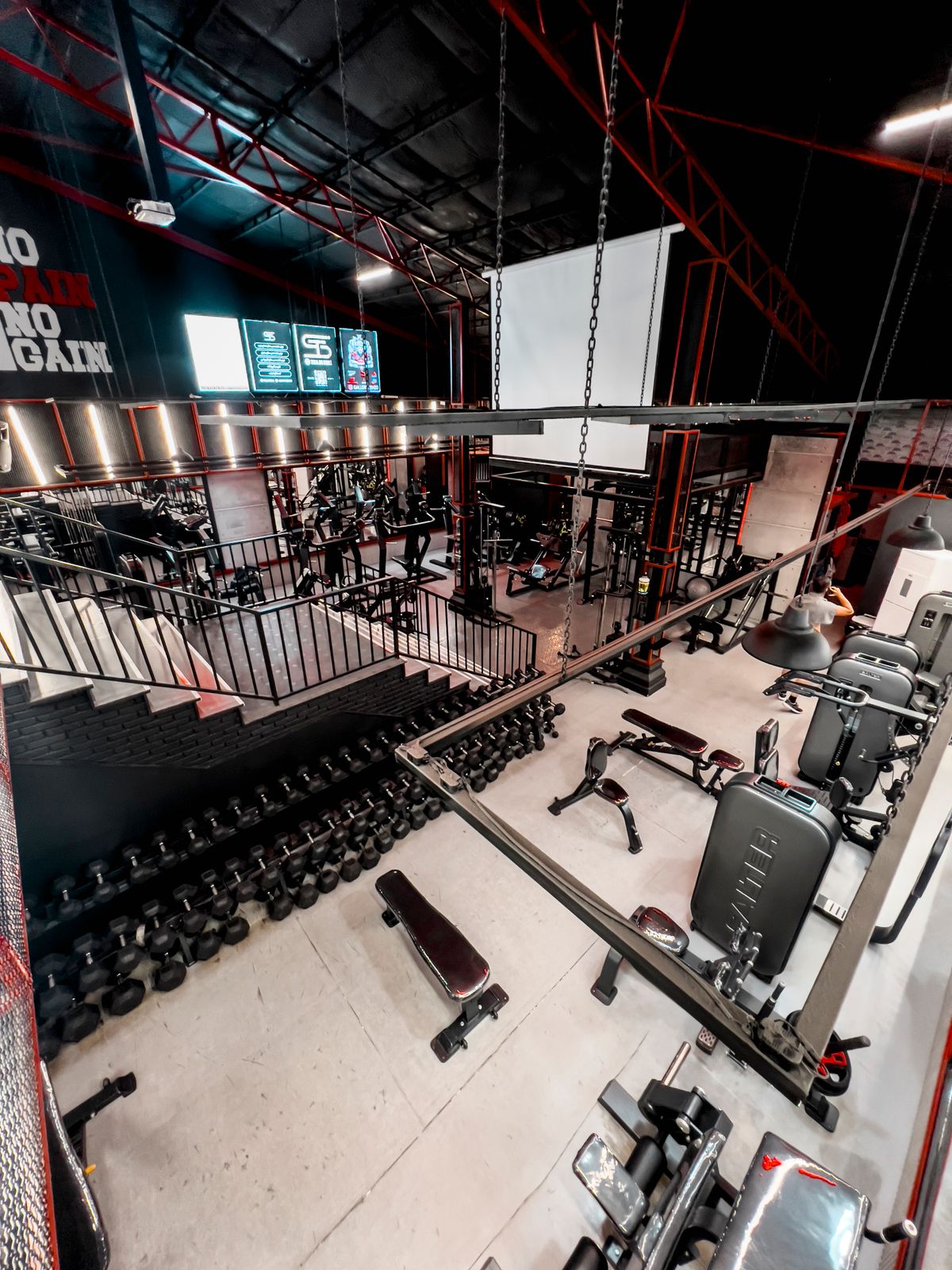
Written rules tend to be short and universal: wipe the bench, re-rack your plates, don't drop weights from overhead. The real rules — the ones that get you noticed — are cultural, and they shift from country to country in ways that nobody explains at the desk.
None of what follows is absolute. A gym in central Berlin and a gym in rural Bavaria are not the same place, and individual personality matters more than nationality. But there are patterns, and knowing them before your first session saves you from a quietly hostile month while you work out what you did wrong.
Bringing a towel is not a suggestion. In most German-speaking gyms, placing your towel on the bench before you sit down is considered as basic as wearing shoes. Arrive without one and you will get looks. Many places sell them at the desk, which tells you how often it happens.
Reserving machines with a water bottle or a towel while you do something else is common in some gyms and resented in others. The safest approach: if someone leaves a towel on the machine and walks away, wait sixty seconds, then ask politely. They probably went for a set somewhere else, and in German gym culture, that is considered acceptable — queuing etiquette is looser than in Britain.
Conversation is usually minimal. Nod at the staff, do your work, leave. Personal space is wide, and unsolicited advice on someone's form is almost always unwelcome.
Re-racking plates is taken seriously in most British gyms, and leaving a loaded bar is one of the quickest ways to irritate everyone in the room. The towel expectation exists but is less rigorously enforced than in Germany — plenty of people wipe the bench after rather than covering it before.
Asking to "work in" — alternating sets on a piece of equipment — is standard and almost always accepted. In many Continental gyms this is less familiar and can confuse people if you phrase it wrong.
Music is louder in British budget chains than almost anywhere else in Europe. Headphones are the norm, but they are fighting the house system, not replacing silence.
Expect minimal supervision and maximum trust. The 24/7 keycard model is widespread, and it is common to train at six in the morning in a building with no staff. This means the unwritten rules enforce themselves: if plates are not re-racked, there is nobody to complain to, so compliance tends to be high because the system depends on it.
Saunas attached to gyms follow the local sauna culture, which in Finland means naked. If the gym sauna is single-sex, that is the assumption. Wearing a swimsuit is not wrong, but it marks you as foreign. In Sweden and Norway the culture is slightly more mixed.
Dutch gyms run loud music and value sociability more than the German model. Small talk between sets is normal, and the atmosphere in a busy session can be closer to a social club than a library. If you prefer silence, go early.
Shoes are non-negotiable — training barefoot or in socks, which some strength athletes prefer, is rarely tolerated in chain gyms. Bring flat-soled shoes if you deadlift.
Gyms in the south tend to be smaller, more personal, and run by someone who is visibly present. The flip side is that the owner's preferences carry the force of law: if they want the weights back in a specific order, you learn the order. In smaller Spanish and Italian gyms, the trainer may correct your form without being asked — this is kindness, not interference, and refusing it is considered odd.
Timing matters. Many gyms in Spain empty around two in the afternoon and refill around six. The post-lunch window is the best time to train if you dislike crowds, but some facilities genuinely close for a few hours.
French gym culture sits somewhere between the northern and southern models. Chain gyms in Paris and Lyon are busy, impersonal and contract-heavy. Independent gyms are closer to the Mediterranean pattern: smaller, warmer, and run on relationships rather than apps.
One detail that catches people out: many French pools and aquatic centres attached to gyms require a swimming cap, and some require tight-fitting swimwear rather than board shorts. The rule is about hygiene rather than modesty, and it is enforced without exception.