Home Gym vs Commercial Gym
Which actually saves more money over three years — and which one keeps you turning up?
Which actually saves more money over three years — and which one keeps you turning up?
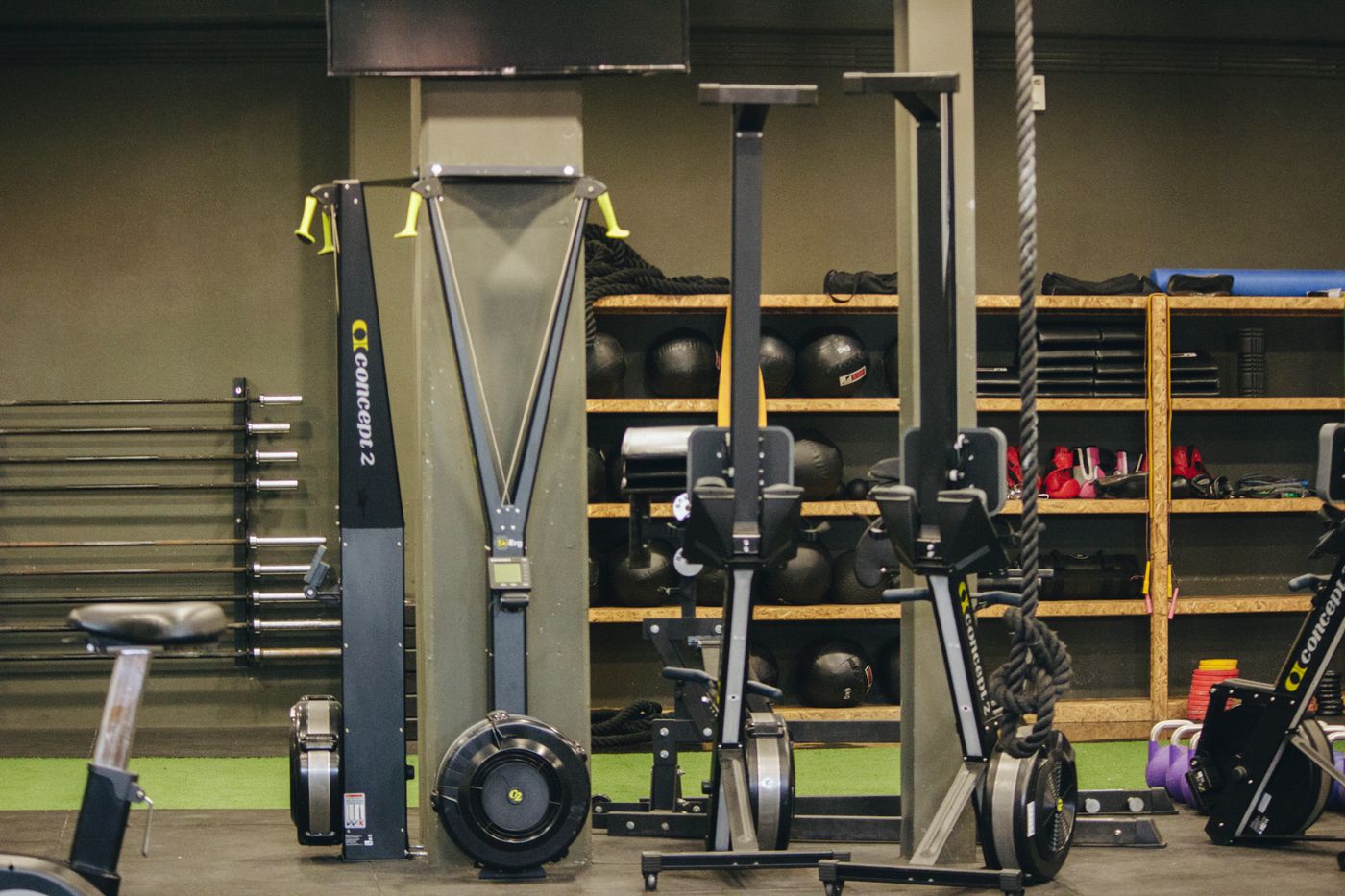
Walk into any gym in central Amsterdam, Munich or Madrid and the monthly fee will sit somewhere between thirty and seventy euros, depending on the tier. Over a year that is four hundred to eight hundred euros, and over three years it can reach well past two thousand even before one-off charges. A home gym, on paper, is a single purchase. The numbers look obvious.
The trouble is that a useful home gym does not start at zero. A decent adjustable bench, a barbell and 150 kg of plates, a squat stand and a pull-up bar — the bare minimum for serious compound lifting — will set you back something in the region of eight hundred to fourteen hundred euros in most European countries, bought new. Second-hand plates bring the figure down, and bumper plates push it up. Rubber matting for the floor adds another one to two hundred. If you want a cable machine or a rower, double the budget.
So the break-even point against a midrange gym membership sits at about eighteen months to two years. After that you are training for free, minus wear and tear and whatever you spend keeping the garage warm in January.
The comparison that matters is not money — it is compliance. A gym in a city puts you into a building full of people who are doing what you are trying to do, with kit you cannot afford to replicate and a commute that becomes part of the habit. The home setup removes every friction except the one that counts most: whether you feel like it today.
People who have trained for years and know exactly what they want to do on a Tuesday tend to thrive at home. People coming back after a break, or new to strength training, tend to stop when nobody is watching. There is no staff, no atmosphere, and the sofa is ten feet away.
Space is the hidden variable. If you live in a terrace house in the Netherlands with a back shed, you have room. If your flat in Barcelona has no cellar and no balcony wider than a bicycle, you do not. Northern Europe has more garages per household than the south, which is one reason the home gym culture runs stronger in Scandinavia, the UK and Germany than in Spain or Italy.
Climate matters too. An unheated garage in Helsinki in February is a different proposition from the same garage in Lisbon. Insulation or a space heater is another cost that gym-at-home guides quietly ignore.
If you have trained consistently for two years, have room, and know you will not want classes, coaching or a pool, a home gym will save you money from year two onward. If you are starting fresh, or if you rely on the gym as the place that keeps you accountable, a membership is almost certainly cheaper than equipment that ends up on a marketplace listing eight months later.
Neither answer is wrong. The expensive mistake is buying the one that suits who you plan to become rather than who you are now.